Teachers need to be central agents in deciding how AI is used in education. Perhaps we should talk about EdAI rather than AIEd to make this point. It is teachers who will be the orchestrators of when, and how, to use AIEd tools. In turn, the AIEd tools, and the data driven insights that these tools provide, will empower teachers to decide how best to marshal the various resources at their disposal.
 More than this, though, teachers – alongside learners and parents – should be central to the design of AIEd tools, and the ways in which they are used. This participatory design methodology will ensure that the messiness of real classrooms is taken into account and that the tools deliver the support that educators need – not the support that technologists or designers think they need.
Teachers who take part in these processes will gain increased technological literacy, new design skills, and a greater understanding of what AIEd systems can offer.
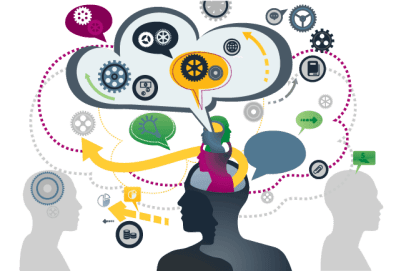
The increased introduction of AI-powered tools will serve as a catalyst for the transformation of the role of the teacher. AIEd is well placed to take on some of the tasks that we currently expect teachers to do – marking and record keeping, for example.
Freedom from routine, time-consuming tasks will allow teachers to devote more of their energies to the creative and very human acts that provide the ingenuity and empathy needed to take learning to the next level.
As this transformation takes place, teachers will need to develop new skills (maybe through professional development delivered through an AIEd system). Specifically they will need:
• A sophisticated understanding of what AIEd systems can do to enable them to evaluate new AIEd products and make a sound judgement about its value to them, and their students
• To develop research skills to allow them to interpret the data provided by AIEd technologies, to ask the most useful questions of the data, and to walk students through what the data analysis is telling them (for instance, using Open Learner models)
• New teamworking and management skills as each teacher will have AI assistants in addition to their usual human teaching assistants, and they will be responsible for combining and managing these resource most effectively

Most excitingly, with the evolution of the teacher’s role will also come the evolution of the classroom, as AIEd tools allow us to realise what it is unrealistic to expect any teacher or lecturer to do alone. For example, making the positive impact of one-to-one tutoring available to every child, or realising effective collaborative learning (a difficult activity to keep on track without some form of additional support).
This post is an adapted extract from Intelligence Unleashed published by Pearson.


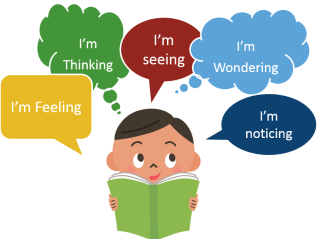 learners of all abilities, and in particular it can be taught by intelligent software as well as by human teachers. The second concept, that of Deliberate Practice confirms the adage that I was all too frequently reminded about as a child: Practice makes Perfect. Well, yes it does, provided that it is effort full, that the learner is motivated and that the practice is accompanied by appropriate feedback and the capacity for learners to see their own success. The qualities of practice just listed are within the skill sets of intelligent software as well as being in the skill sets of intelligent humans. Both human and machine are enriched by our knowledge of these concepts.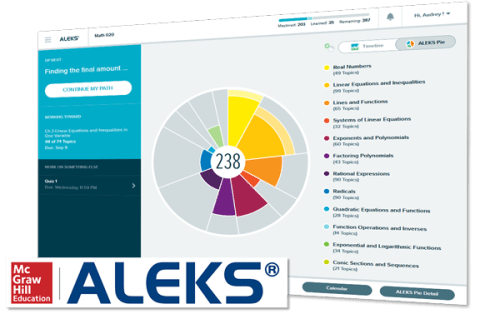
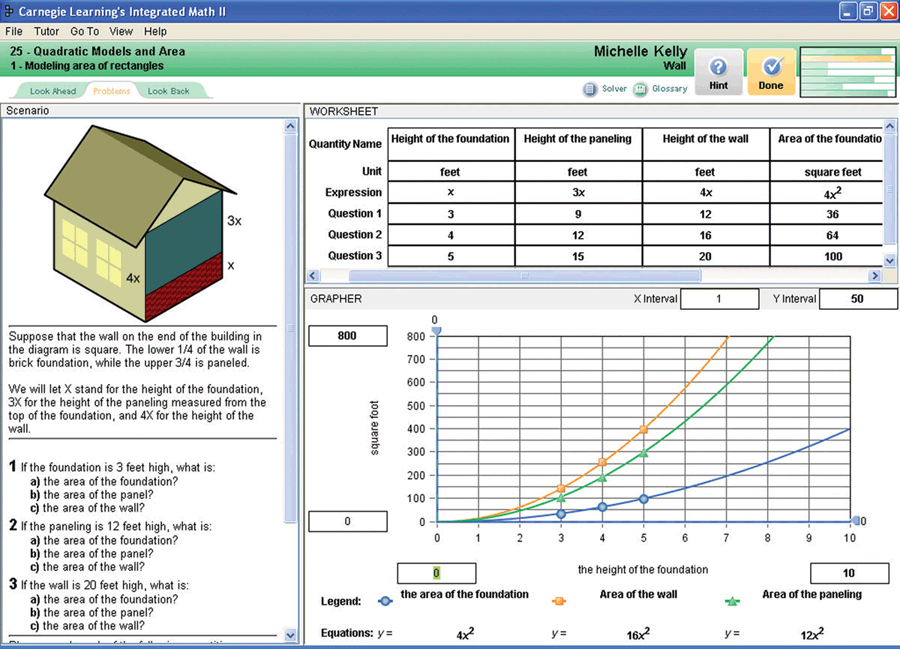
 This adaptation might, for example be to change the difficulty of the task the student has been set, or it could be to increase or decrease the extent of the helpful interventions that the software provides while the student is trying to solve a problem. This type of software uses AI to provide such tutorial individualization and I believe that AI may finally have achieved a position that will enable it to provide benefits for Education akin to those Siri has provided for personal assistance.
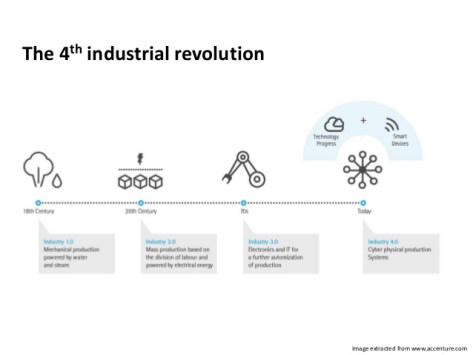 The adaptive software I saw at Bett was very like the adaptive systems that have been developed and studied by the Artificial Intelligence and Education community for several decades now. Indeed the whole topic of Artificial Intelligence (AI) is very much in the news at present, with much attention being paid to its role in the Fourth Industrial Revolution, in particular the way in which AI is replacing people in an increasing variety of jobs.
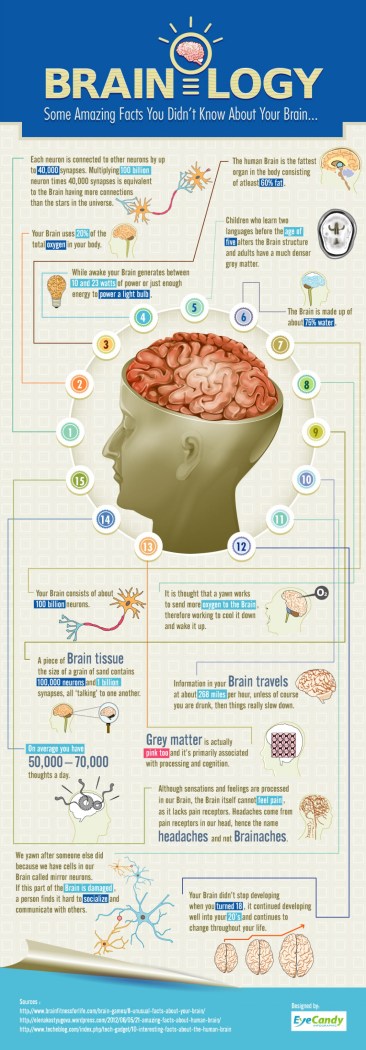 One area that the AIEd community has paid increased attention to is the use of findings from the Learning Sciences to inform the design of AIEd systems. For example, psychologists, such as
![[ File # csp2108410, License # 1307856 ] Licensed through http://www.canstockphoto.com in accordance with the End User License Agreement (http://www.canstockphoto.com/legal.php) (c) Can Stock Photo Inc. / lenm](https://knowledgeillusion.blog/wp-content/uploads/2015/11/6troy8nac.jpg)


 The Knowledge Illusion